
Swing trading is a speculative trading strategy in financial markets where a tradable asset is held for one or more days in an effort to profit from price changes or swings. A step-by-step decision guide for anyone who wants to start trading. This guide shows the math of why waiting pays (why your brain fights it), and how professionals make patience automatic instead of a willpower battle. Most of a trader’s profit comes from a handful of their best setups, and everything forced in between quietly eats it. Get Trading Masterclass taught by world-class traders — plus guides on every market. It has a swing trading masterclass from Ariel Hernandez that walks through real setups and how to manage trades — and it is free to watch.
It should also include a stop in case the trade goes against you. That includes where you’ll exit and your profit target. Some of these students prefer being day traders.
Swing mpesafxtradeke.com traders — on the other hand, hold their positions for days or weeks. While both target shorter-term profits, day trading and swing trading differ in significant ways. As a strategy — swing trading falls somewhere between day trading and longer-term position trading. For example, they may use a longer period (like a daily chart) for the trade setup but refer to an hourly chart when planning and executing entry and exit points. But in addition to being challenging, swing trading carries risks, some of which are unique to the trading style. They might turn to swing trading, an attempt to profit from shorter market «swings» that take place within longer-term trends or sideways consolidations.
Well-known indicators for swing trading
Drawing tools help you mark support (resistance and trend lines), which are essential for swing setups. Indicators such as RSI, MACD, moving averages and ATR are available directly on the chart. Economic reports and supply changes influence swing opportunities.
What separates successful swing traders isn’t the number of setups they know—it’s their ability to stick to one approach (manage risk consistently), and adapt to changing market conditions. Whether you’re trading breakouts (pullbacks), or pre-catalyst moves, the key is to find a strategy that fits your risk tolerance, schedule, and mindset. By entering early—before a full trend change occurs—swing traders aim to catch the next leg in the opposite direction — often with tight stops and defined profit targets. A common setup uses RSI divergence, where price makes a new high (or low), but the RSI fails to confirm the move.
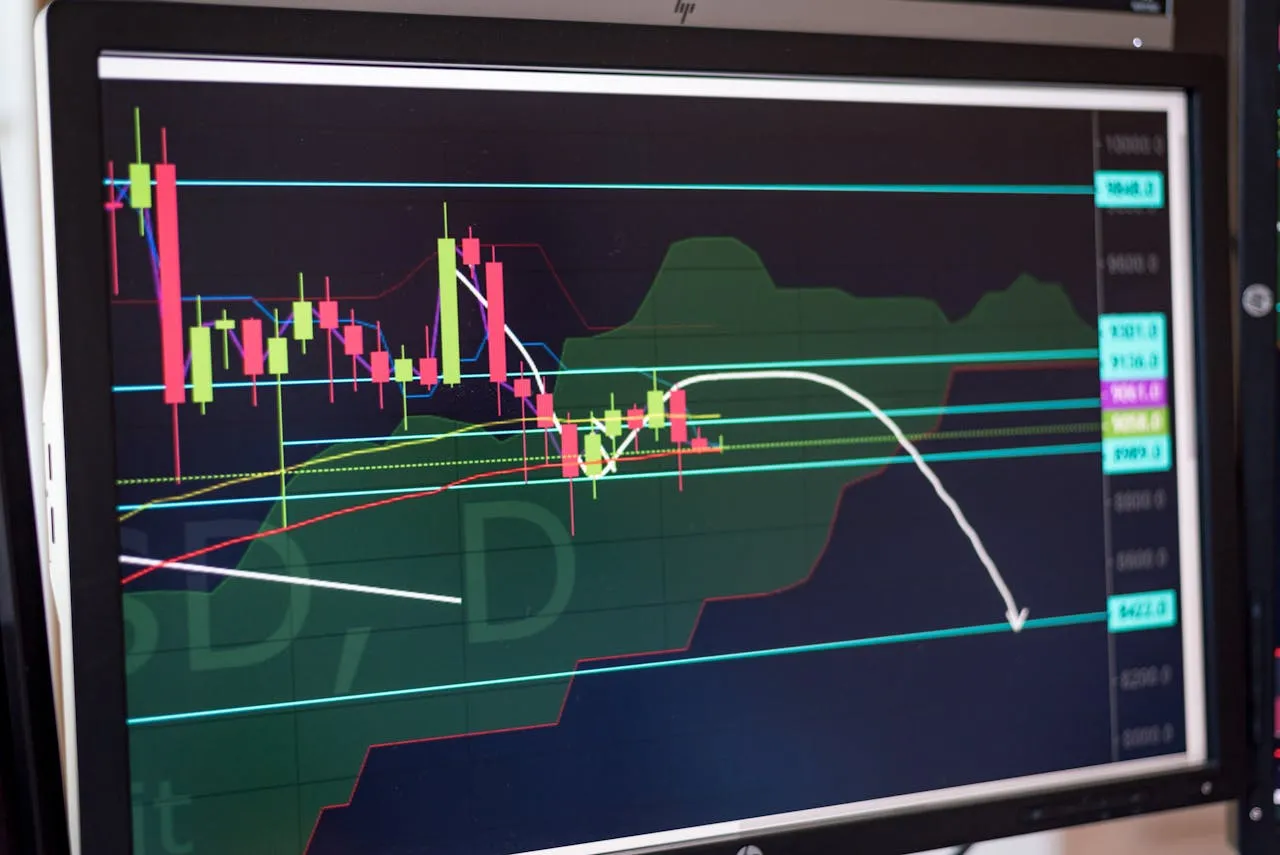
The pros and cons of swing trading
For a more detailed breakdown of how VWAP works in all timeframes, I recommend reading the VWAP indicator guide. But the VWAP for that Thursday , when all that volume was traded, is, say, $95.60. When the broader market is turning down — individual stock breakouts fail at higher rates. Something fundamentally changed. The key is separating the real breakouts from the false ones.
Trade analysis is all about examining hypothetical examples to showcase the application of swing trading tactics and technical analysis tools. This will help readers see the application of the theories discussed earlier and understand how they play out in real trades. In this section (we’ll dive into some swing trading case studies), providing insights into trade analysis and lessons learned from past trades. Case studies provide a practical perspective, helping readers understand concepts better. Volatile market conditions, which present regular price swings without a definitive long-term trend, offer optimal conditions for swing trading. Swing traders use tools like Fibonacci retracement to identify these levels — determining strategic entry and exit points for trades.
Alton Hill is the Co-Founder of TradingSim with over 18 years of trading experience. We refresh every guide on a 90-day cadence to keep the rules (contract specs), broker information, and live examples current. This is why swing trading is perfect for people who can’t be glued to a screen all day.
It’s important that you know how to read charts for swing trading. The only shortcut is seeking information and explanations from more experienced traders. Get ready to study, it’s 12 hours of material. Some of the best stocks for swing trading have high trading volume.

I feel it’s too risky because we don’t know how the stock will react. I don’t hold swing trades through earnings announcements. If you are interested in swing trading and want guidance — check out the Complete Method Stock Swing Trading Course. Wait for overall conditions to align with the direction you are swing trading in. The stocks discussed often provide ample swing trading opportunities throughout the month.
Day Trading requires less capital than swing trading, making it more accessible to most traders. Whilst in Swing Trading, your role is open, there is a higher chance that circumstances will change, and your position will no longer be successful as it involves higher risk as involves overnight holding risk. This style of stock market trading is used to capitalize on short-term stock trends and patterns; Swing Trading is used to earn gains from stock within a few days of purchasing it, ideally one to seven days.